Our lives today depend on a complicated web of pipes and fixtures to ensure clean water is supplied to each fixture such as the sink, tub toilet and shower in your house. The system also removes the waste water effectively, without causing the possibility of sewer backups, odors or even odors. This type of system may cause severe problems in the event that any of its components fail. Knowing what to check and how to work with the plumbing system in your home is essential.
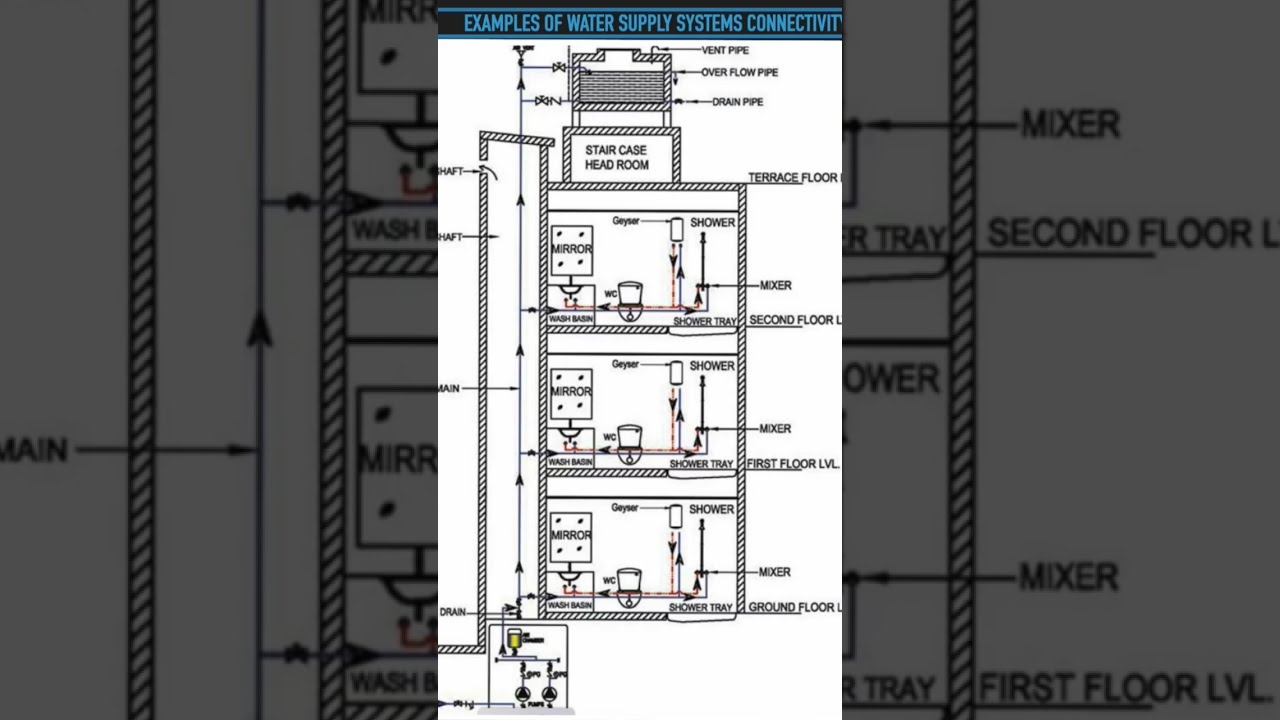
A majority of the plumbing inside the home is concealed between floors or behind walls However, it's essential to comprehend what's occurring. The plumbing system is comprised of two different subsystems that don't share a common symbiosis: the supply system and the drainage system. The supply system is responsible for bringing clean water from your municipal water supply or well to the home. The drainage system carries waste (dirty water) away to the city sewer line, or the private septic tank.
The most important component of a drainage system is that of the "water trap" that's found in each fixture. This pipe is angled downwards to stop the flow of sewage through the homeowners helpful hints fixture. It's usually lined with a tiny amount of water. This can help keep the drainline free from unwanted rodents and guests. The traps are attached with branch drain lines that will eventually join with the main drain.
One of the easiest ways to find a leak is to turn off the water faucets at your home. Also, ensure the dishwasher and washing machine aren't in operation. Examine your watermeter and see if the reading changes. This indicates that there's a plumbing issue there.